

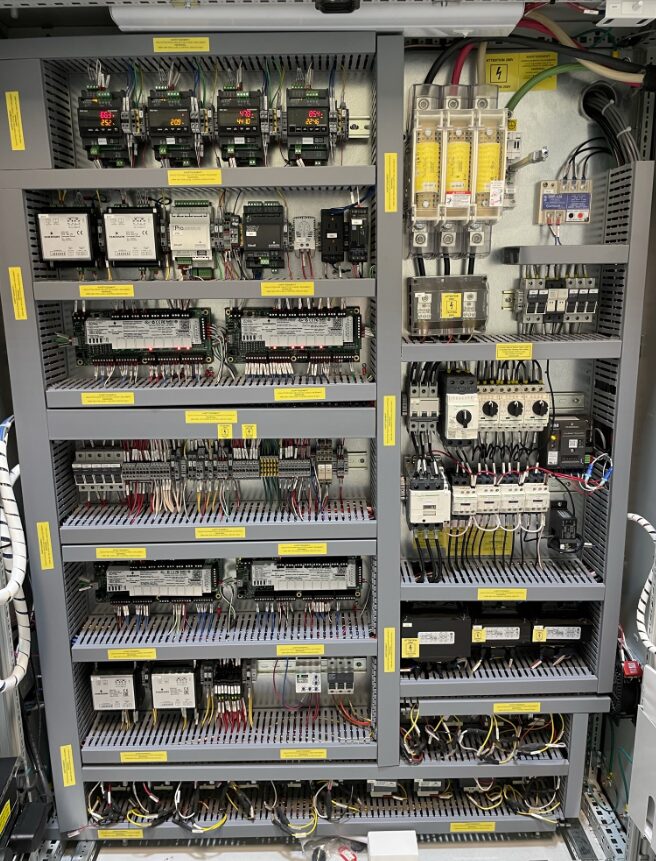

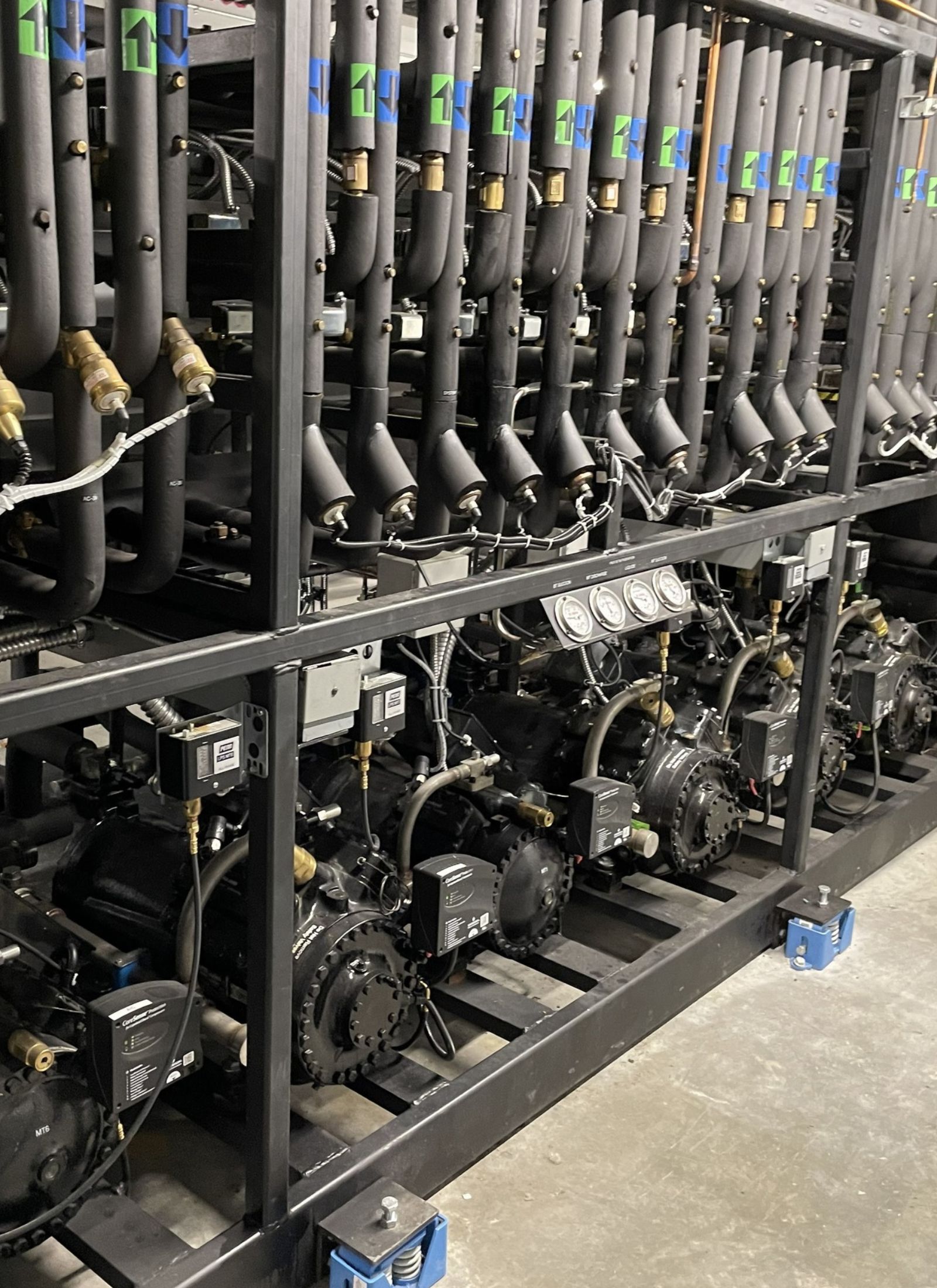




You walk up to a refrigeration system that is not running right.
Do you grab your gauges? Check the controller? Look at pressures? Pull out the wiring diagram? Walk out to the condenser?
STOP GUESSING. START PROVING.
You do not need to know everything before walking onto the next difficult call.
You need a reliable way to figure out what should be happening, what to prove next and what the system is telling you.
THIS FREE WEBINAR IS FOR YOU IF…YOU HAVE EVER:
The goal is not to memorize every possible refrigeration failure.
The goal is to develop a process you can fall back on when you do not immediately know the answer.
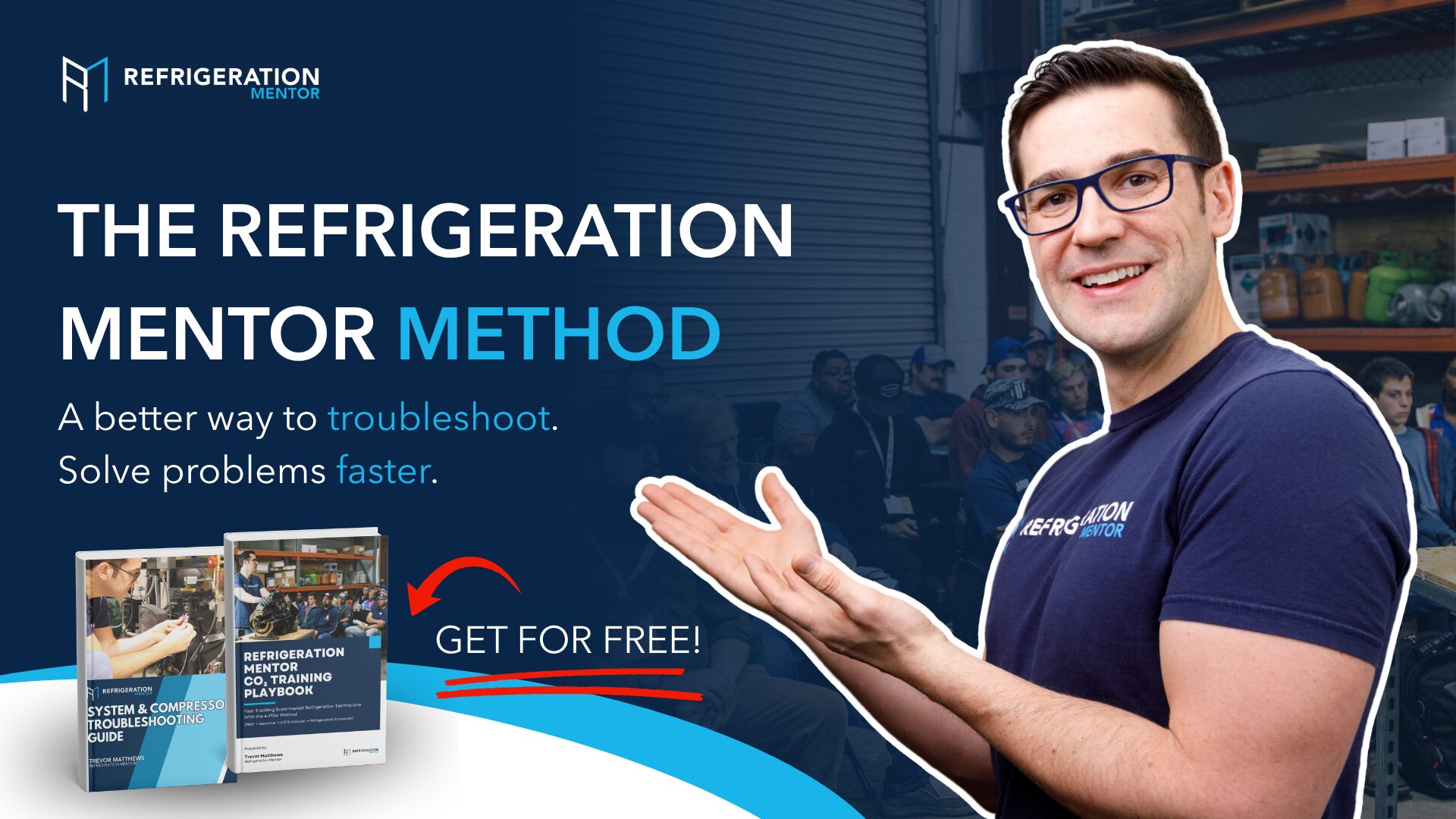
JOIN THE FREE WEBINAR TO LEARN THE REFRIGERATION MENTOR METHOD.
A repeatable troubleshooting process that helps you know what to check, what to prove and where to go next on difficult refrigeration calls.
Build the judgment to diagnose the problem before changing the part.
We all struggled with intermittent rack alarms, controls that do not seem to agree with the readings and the worry that the fix will not hold.
Oil trips, defrost issues and intermittent faults leave you trying to prove what happened while everything looks normal.
The wiring diagram, sequence and controller feedback do not line up yet. Time keeps moving while the customer waits.
Changing a part without confirming the cause can send the truck back tomorrow or pull the lead tech off another job.
You’ve checked the obvious stuff and gone through the controller, but you’re running out of ideas.
So you call the lead tech or service manager again.
There’s nothing wrong with asking for help. But you want to become the technician other people call.
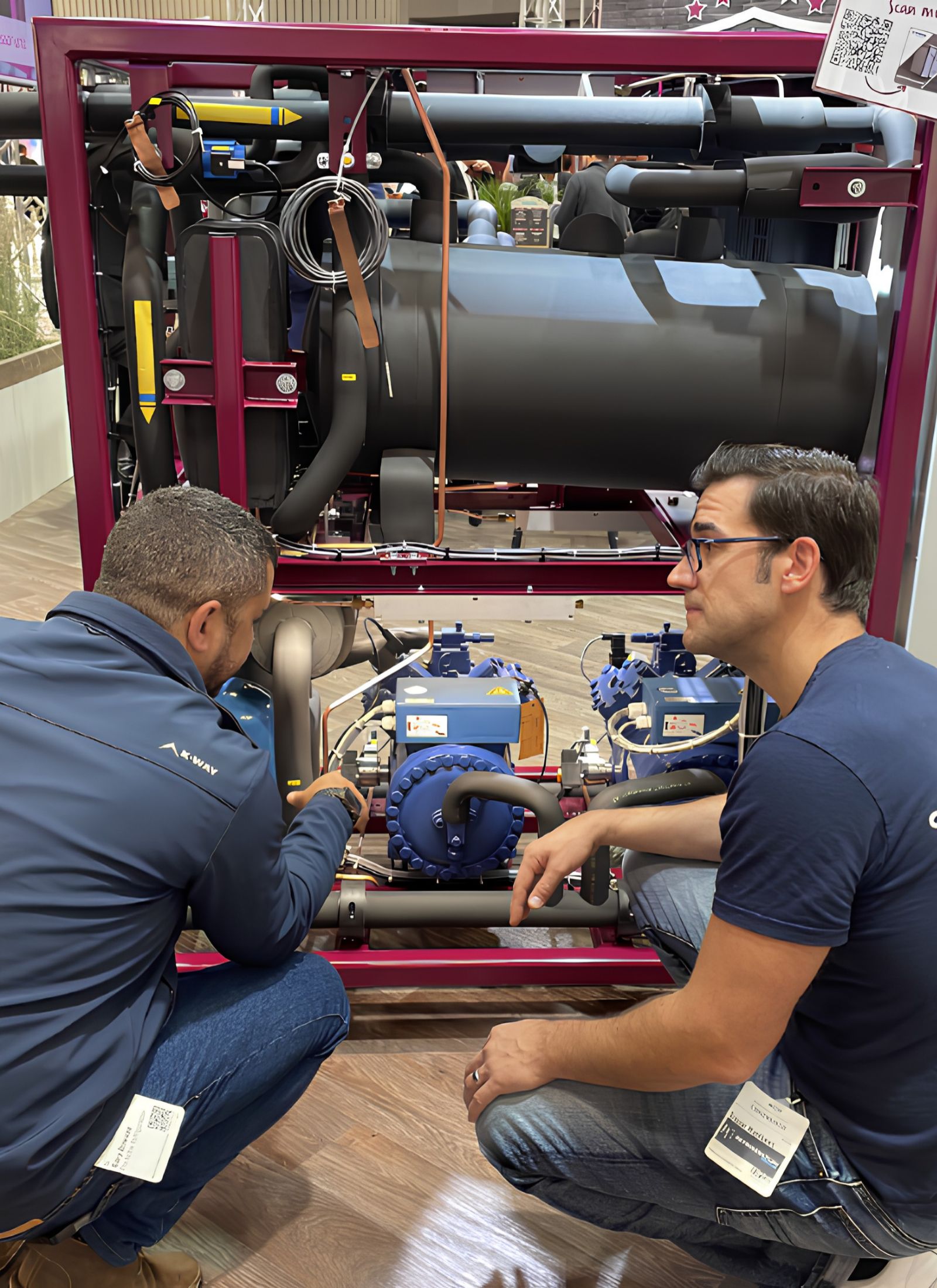
Then you walk up to a transcritical CO₂ rack for the first time. Different pressures. Different components. Different controls. Your experience still matters, but now you need to understand a new system while the customer expects answers.
The Academy teaches a repeatable way to approach refrigeration troubleshooting. Know what normal operation should look like, test in a useful order and prove what the controls are doing.
Understand the equipment and expected operation before you touch a part.
Use a consistent diagnostic order and the wiring diagram to narrow the fault.
Compare the command with the feedback, then verify the cause.
Every good technician asks questions. The goal is to need that call less often.
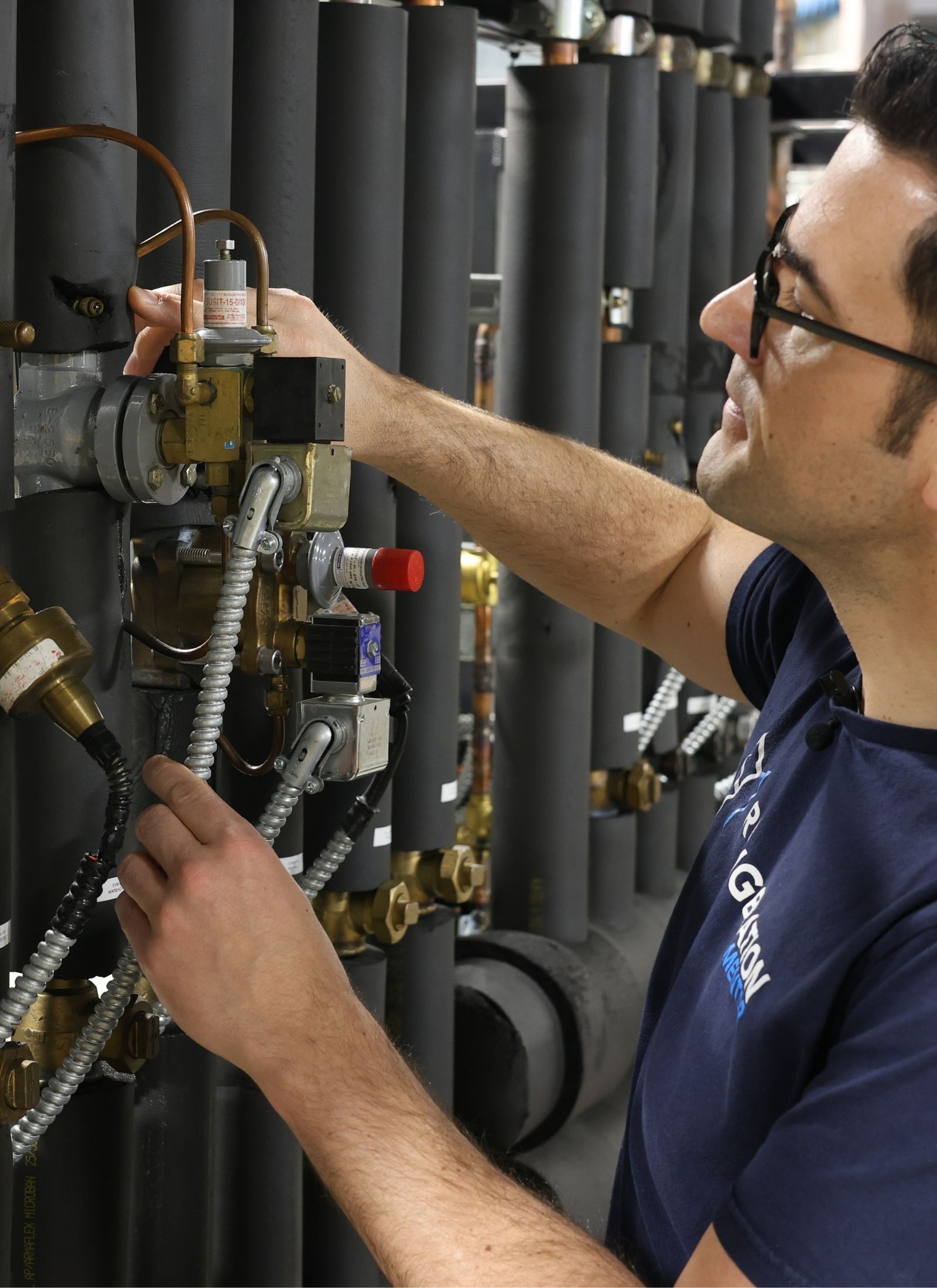
To walk into the mechanical room, look at the system and have a process.
And when something doesn’t make sense, you know how to keep working the problem.
Trevor Matthews created the training he wished he had in the field.
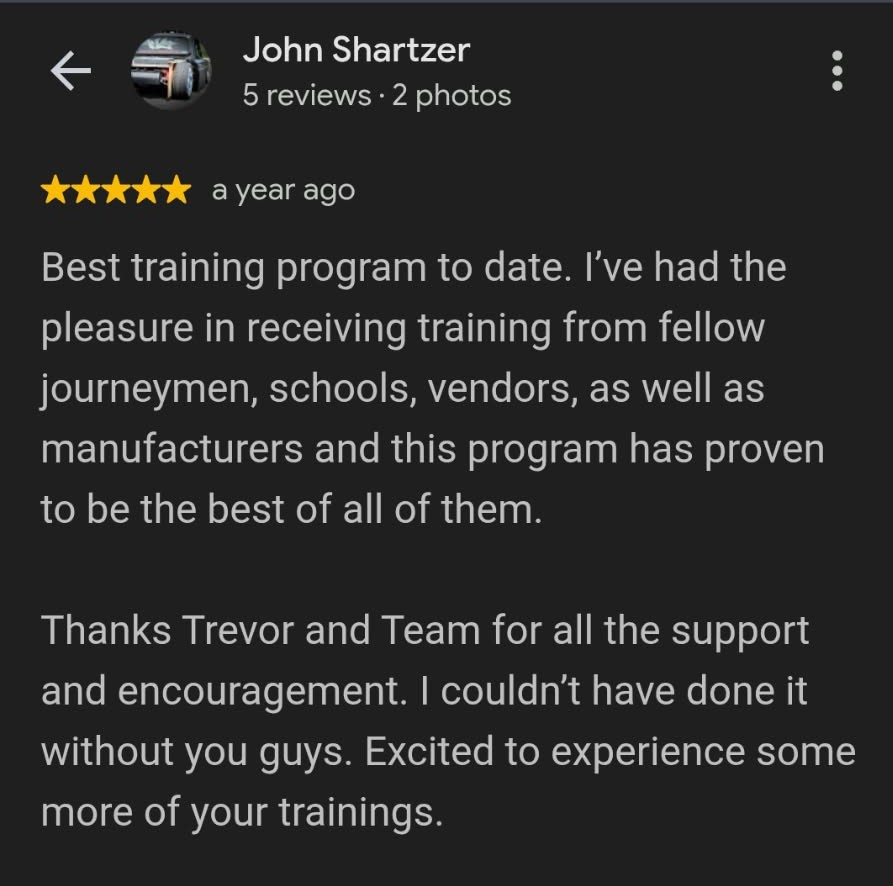
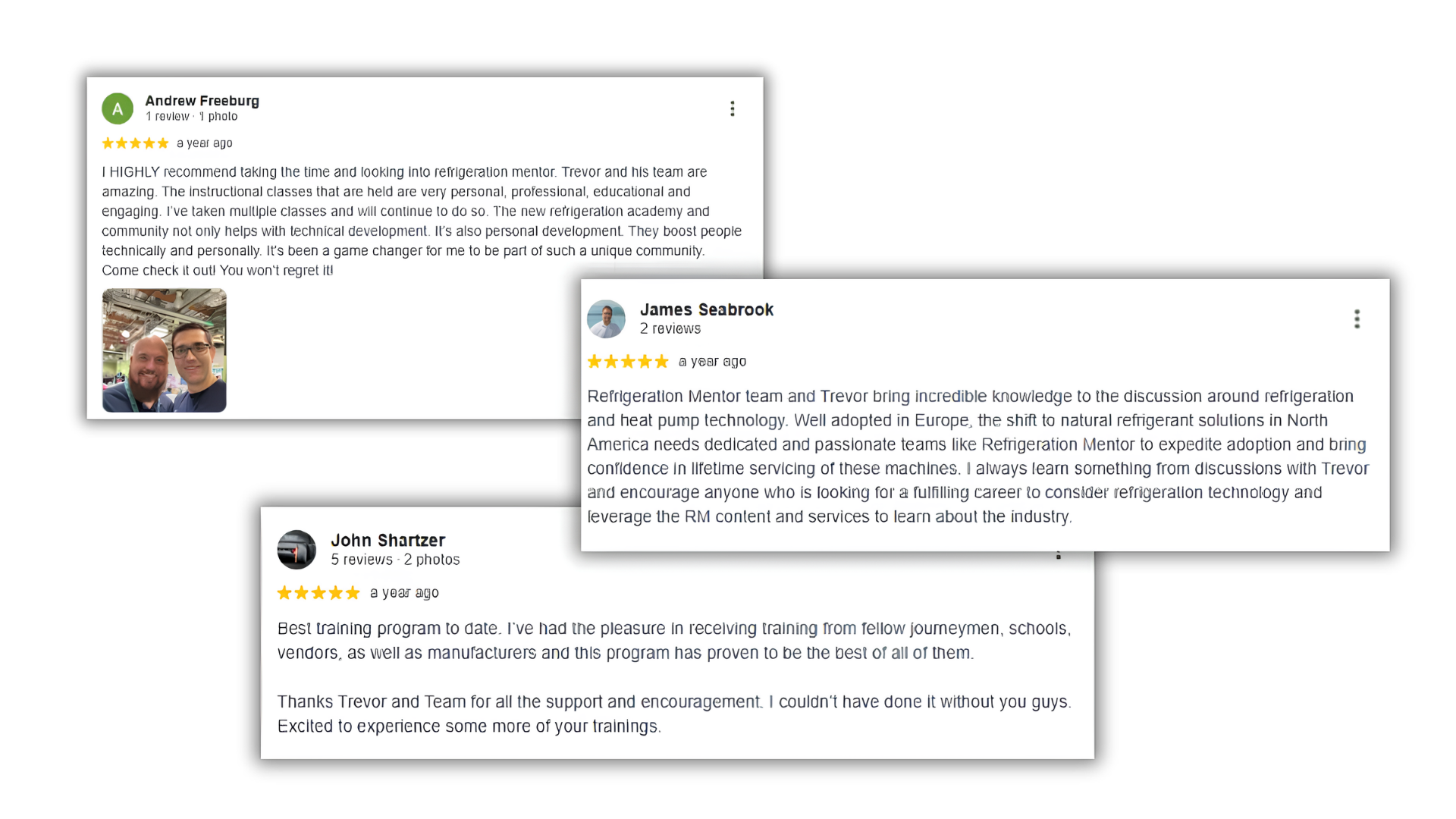
Technicians have learned through Refrigeration Mentor programs.
Bring real calls to 90-minute technician training hours.
Refrigeration Mentor Academy is a training and mentorship program for working technicians. It combines self-paced supermarket and CO₂ refrigeration courses with twice-weekly live sessions where real service calls get discussed.
Supermarket Academy with more than 100 short technical videos and its workbook, plus CO₂ Academy with more than 10 hours of technical training and troubleshooting content.
Two 90-minute sessions every week. Bring the rack, readings, wiring diagram or controller issue you faced in the field.
Work through courses, workbooks and saved Office Hours recordings around your on-call schedule.
Private community, live events and ongoing development in controls, compressors, supermarket systems, CO₂ and service strategy
These are attributed results from Refrigeration Mentor training programs. They are not presented as results from the new Academy.
Talk with Trevor about which path fits you or your team best.
For technicians who want to build stronger troubleshooting skills, become more independent and get better at working through difficult calls.
For companies with 10 or more technicians. Talk with Trevor about your team, the type of systems they work on and where they need the most support.
No. You can build your refrigeration and supermarket foundation now, then use the CO₂ training before that first call comes in.
The courses, workbooks and technician training support hours are available to work through on your schedule. The live technician training hours run twice a week.
Ongoing skill development course cut sheet can be provided for a conversation with your employer.
The live room is built around calls technicians actually had that week: the system, wiring diagram, readings and controls. It is designed to support the work you do in the field.
You’ll go to Refrigeration Mentor’s contact page. Use the form to say you’re interested in the Academy and want a call with Trevor.
Tell Trevor what systems you work on, where your calls get stuck and what you want to handle with more confidence.
Most technicians already have plenty of information in front of them: pressures, temperatures, alarms, controllers, wiring diagrams and manuals.
The problem is knowing which piece matters first.
The Refrigeration Mentor Method gives you a process to follow when the answer is not obvious.
Three questions you can carry from one refrigeration system to the next.
Swapping Parts and Hoping
A warm case does not automatically mean the TXV is bad. An oil alarm does not automatically mean the oil safety failed. The goal is to prove the failure before spending the customer’s money.
Knowing the Step Without Knowing Why
A pressure or temperature by itself does not diagnose the system. Understanding why you are taking a reading lets you adapt when the equipment, refrigerant or controller changes.
Ignoring the Controls
A perfectly good mechanical component may be doing nothing because the controller has a legitimate reason for keeping it off. Command, feedback and alarm history matter.
Trevor walks through a supermarket rack problem where a compressor has been tripping on oil safety, but by the time the technician arrives everything appears normal.
“Here is what failed and here is how I proved it.”
Experience gives you more examples. A diagnostic process gives you something to do when the next problem does not look like any example you have seen before.
Keep them on your phone, tablet or laptop so you can pull them up when something becomes relevant in the field.