ON-DEMAND CO₂ FIELD TRAINING
When the CO₂ Rack Starts Acting Up, Where Do You Look First?
Learn how experienced CO₂ technicians read system conditions, track down the actual problem, and avoid the mistakes that lead to repeat service calls.
Four practical training sessions covering CO₂ condensing units, common system mistakes, rack conditions, and callback prevention.
Instant access
Watch at your own pace
Certificate included
WHY TROUBLESHOOTING GETS COMPLICATED
CO₂ Problems Rarely Point Straight to the Cause.
In CO2 systems, symptoms can be misleading. A warm case, unstable pressure, or oil fault may look like the problem, but they are often just signs of something else.

What You Will Learn
Build a Better Troubleshooting Process
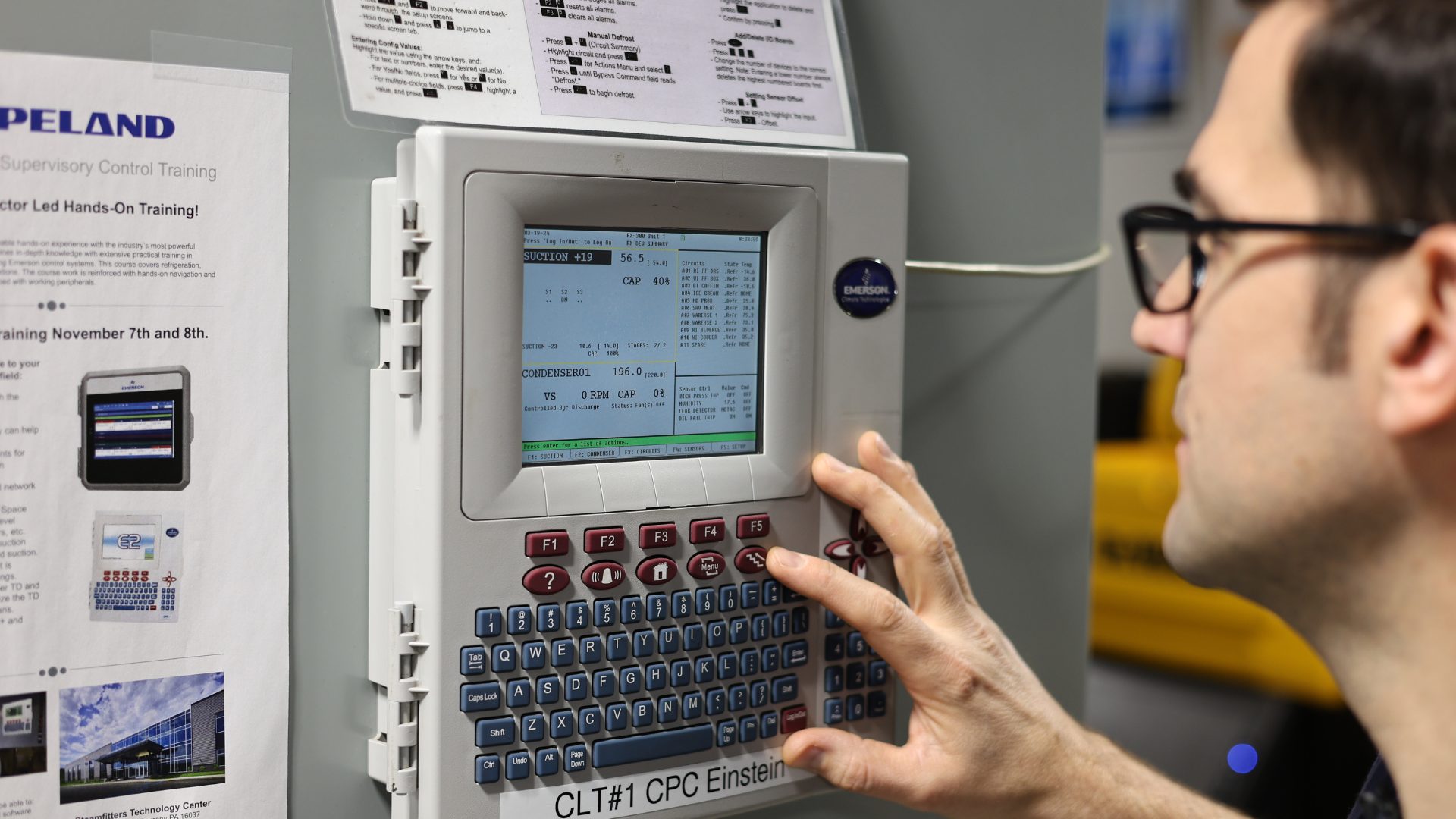
Read System Conditions
Use pressures, temperatures, alarms, sound, and controller data to narrow down the problem.

Find the Cause Behind the Symptom
Understand how one part of the system can create problems somewhere else on the rack.

Avoid Common CO₂ Mistakes
Learn what can go wrong during piping, evacuation, charging, startup, and system adjustment.

Reduce Repeat Service Calls
Catch the setup, sensor, control, and commissioning issues that often send technicians back to the same site.
SESSION 1
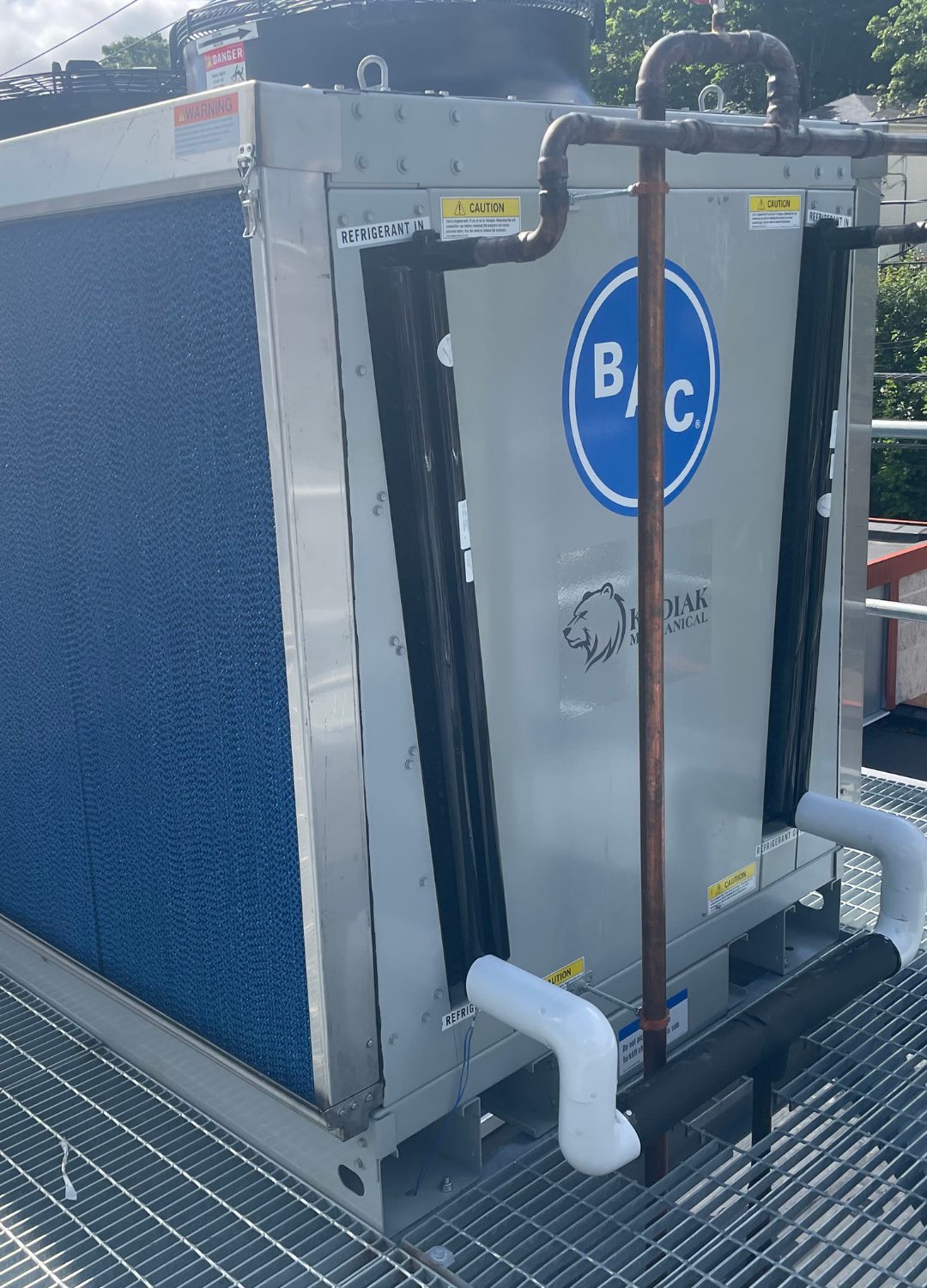
CO₂ Condensing Units
With Sam Major of Turner Piping
CO₂ condensing units are becoming more common, but they cannot be treated like standard HFC equipment.
This session covers:
- Where CO₂ condensing units are used
- How they differ from larger transcritical racks
- Piping practices that support proper oil return
- Pressure ratings and correct piping materials
- How voltage problems affect system performance
- Proper evacuation and charging procedures
- Safe use of transcritical-rated service tools
- Using alarms, system data, and sound during diagnosis
SESSION 2
Common CO₂ System Mistakes
With Erik Holland
Small mistakes can create pressure problems, compressor cutouts, poor performance, and unsafe service conditions.
This session covers:
- Why tighter control matters in CO₂ systems
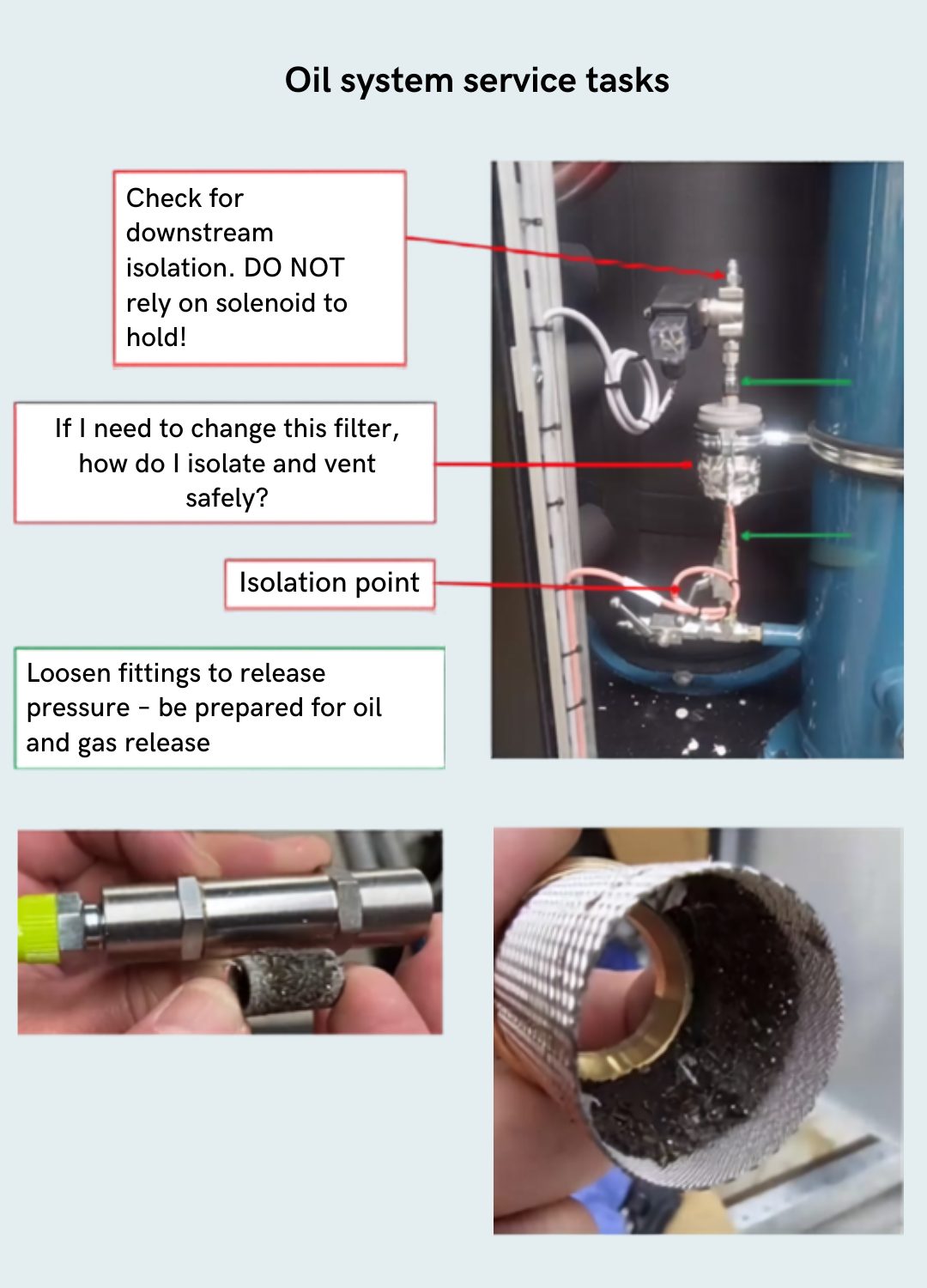
- Common oil-management problems
- What causes compressor cutouts
- Pressure increases caused by trapped liquid
- How dry ice forms during service
- Correct CO₂ charging practices
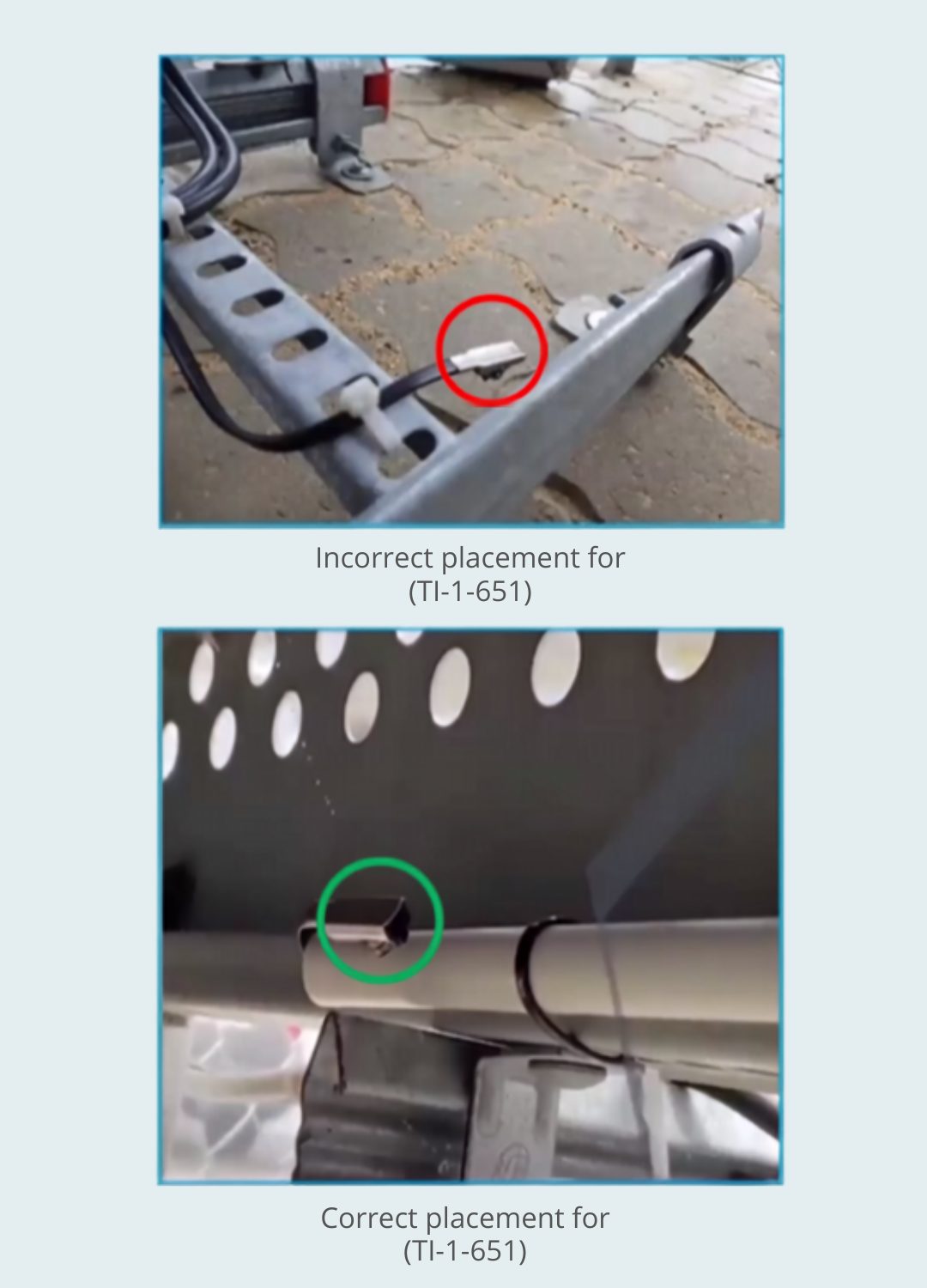
- Gas-cooler sensor placement
- Superheat and system-efficiency adjustments
- Unstable pressure and fan-control problems
SESSION 3
Reading CO₂ Rack Conditions
With Kevin Mullis
The readings on the rack mean very little if you do not understand how they affect one another.
This session covers:
- Why CO₂ systems struggle in high ambient conditions
- How gas-cooler pressure affects flash gas
- When higher discharge pressure can improve operation
- How to optimize gas-cooler pressure correctly
- Oil-management faults and safe service procedures
- MOP and floating-suction conflicts
- Diagnosing intermittent system faults
- How commissioning choices create future problems
SESSION 4
Avoiding CO₂ Callbacks
With Andrew Freeburg
Many callbacks begin with something that was missed during installation, setup, or commissioning.
This session covers:
- Installation practices that prevent recurring issues
- Correct sensor mounting and insulation
- Verifying controller settings and alarms
- Setting up case controllers, MOP, and superheat
- Tightening connections and testing system operation
- Defrost schedules and VFD settings
- Why adjustments should be made one at a time
- Real sensor-failure and communication problems
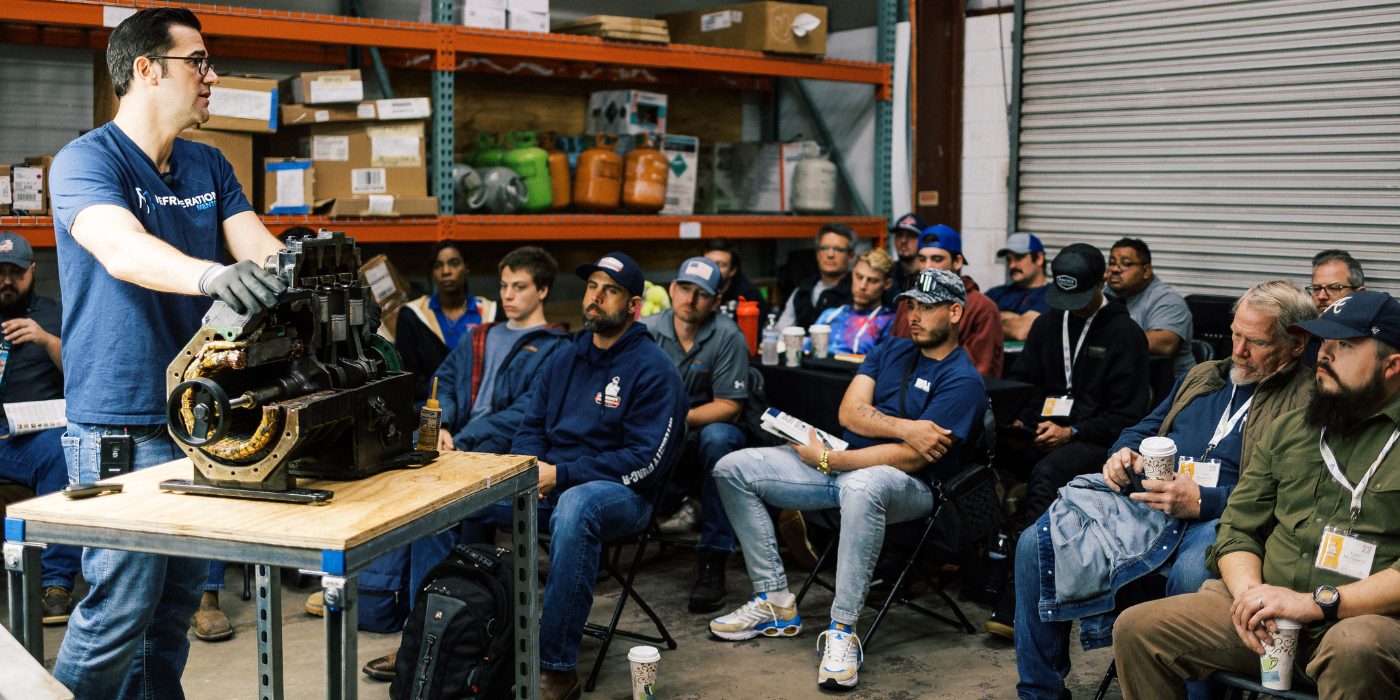
Who This Is For
Built for Technicians Working Around Real CO₂ Equipment
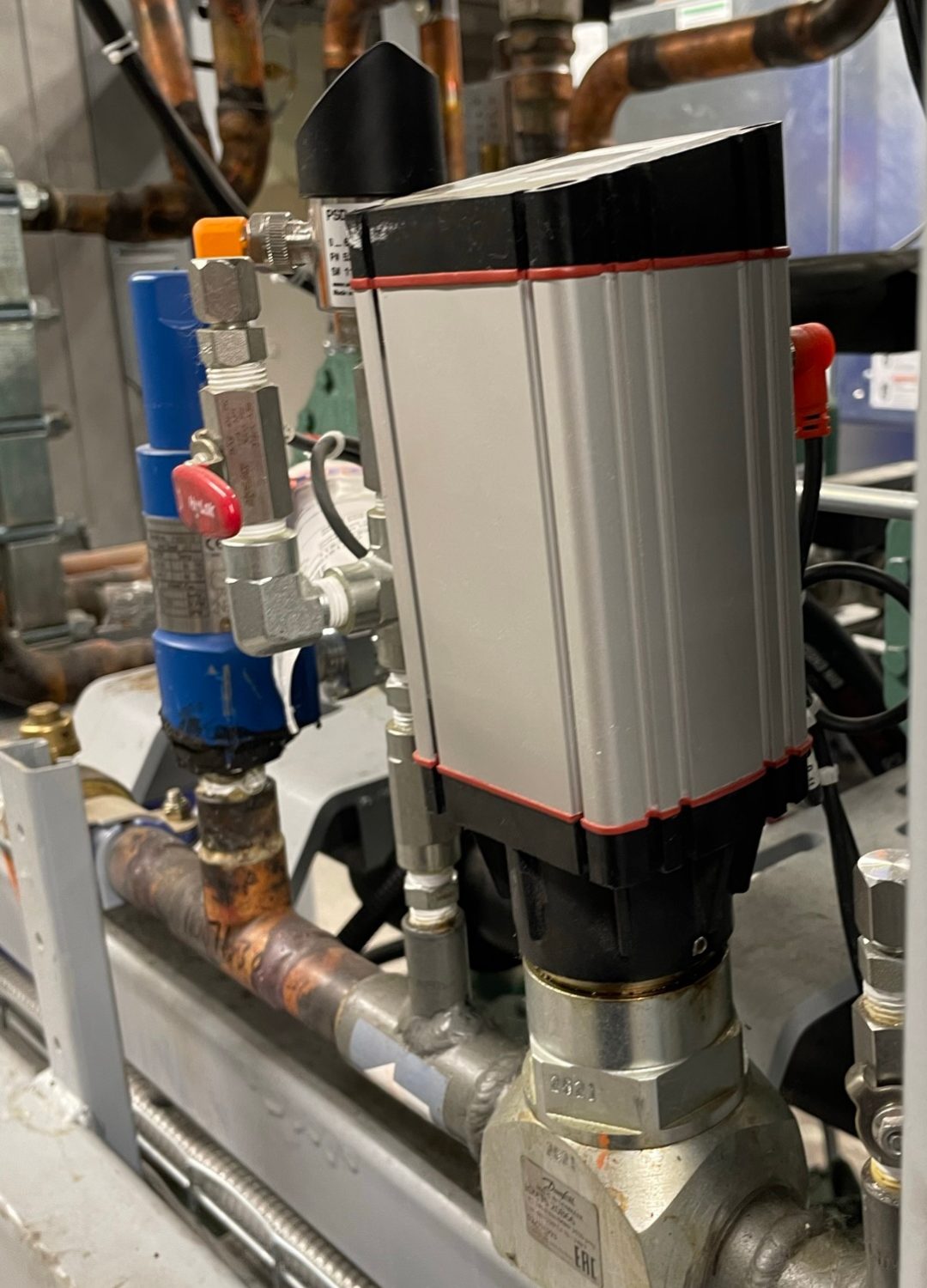
Refrigeration technicians beginning to work on CO₂ equipment
Experienced technicians moving into transcritical systems
Installers and startup technicians
Service managers training their teams
Technicians who want a stronger diagnostic process
You do not need to be a controller programmer to benefit from this course. The focus is on system behavior, field diagnosis, commissioning, and service decisions.
What Is Included
Get Immediate Access
Your purchase includes:
- Four expert-led CO₂ training sessions
- On-demand access through Kajabi
- Practical lessons based on field experience
- Access from desktop or the Kajabi mobile app
- Certificate of Completion for Continuing Education Hours
- Access to the RM Hub community
FAQ
frequently asked questions
Is this course suitable for someone new to CO₂?
Yes. It is designed for refrigeration technicians who are beginning to work with CO₂, as well as experienced technicians moving into transcritical systems.
Is the training live or on demand?
The four sessions are on demand. You can watch them through Kajabi at your own pace.
What equipment do I need?
You only need a phone, tablet, or computer with internet access. The course can be viewed through a browser or the Kajabi mobile app.
Will this teach me controller programming?
Controller programming is not the main focus. The training focuses on system behavior, field diagnosis, commissioning problems, rack conditions, and avoiding callbacks.
Is a certificate included?
Yes. You will receive a Certificate of Completion after completing the course requirements.
Does my purchase include the RM Hub?
Yes. Your purchase includes access to the RM Hub community, where you can connect with other refrigeration professionals and access additional resources.
The Rack Will Not Hand You the Answer
You need to understand how pressures, temperatures, controls, sensors, piping, and system settings work together.
Learn from technicians who work with CO₂ equipment and see how they approach the problems that show up in the field.