Solve Refrigeration Calls Faster Without Guessing!
Learn The Refrigeration Mentor Method — a repeatable troubleshooting process that helps you know what to check, what to prove and where to go next on difficult refrigeration calls.
STOP CHASING SYMPTOMS
You walk up to a refrigeration system that is not running right.
Do you grab your gauges? Check the controller? Look at pressures? Pull out the wiring diagram? Walk out to the condenser?
STOP GUESSING. START PROVING.
You do not need to know everything before walking onto the next difficult call.
You need a reliable way to figure out what should be happening, what to prove next and what the system is telling you.
THIS TRAINING IS FOR YOU IF…YOU HAVE EVER:
- Wasted time bouncing between different checks without a clear direction
- Second-guessed your diagnosis on a difficult service call
- Changed a part without being completely sure it was the root cause
- Felt comfortable mechanically but got slowed down by controls or wiring
- Called a senior technician because you were not sure what to check next
- Walked into an intermittent problem that was working perfectly by the time you arrived
The goal is not to memorize every possible refrigeration failure.
The goal is to develop a process you can fall back on when you do not immediately know the answer.
You Don’t Need More Random Information. You Need a Better Order.
Most technicians already have plenty of information in front of them: pressures, temperatures, alarms, controllers, wiring diagrams and manuals.
The problem is knowing which piece matters first.
- Checking pressures without knowing what you are trying to prove
- Jumping from the controller to the rack to the condenser
- Changing a part because it looks suspicious
- Collecting information without getting closer to root cause
The Refrigeration Mentor Method gives you a process to follow when the answer is not obvious.
The Refrigeration Mentor Method
System. Order. Controls.
Three questions you can carry from one refrigeration system to the next.
- What is supposed to be happening? Understand the system before testing parts. If you do not know what normal looks like, it is hard to prove what is abnormal.
- What do I prove first and what comes next? Follow a diagnostic order instead of bouncing around the equipment and hoping something jumps out.
- What is the system commanding and what feedback is it receiving? Use safeties, sensors, alarms, trends and proof signals as evidence.
Three Troubleshooting Mistakes That Make Calls Harder.
MISTAKE #1.
Swapping Parts and Hoping
A warm case does not automatically mean the TXV is bad. An oil alarm does not automatically mean the oil safety failed. The goal is to prove the failure before spending the customer’s money.
MISTAKE #2.
Knowing the Step Without Knowing Why
A pressure or temperature by itself does not diagnose the system. Understanding why you are taking a reading lets you adapt when the equipment, refrigerant or controller changes.
MISTAKE #3.
Ignoring the Controls
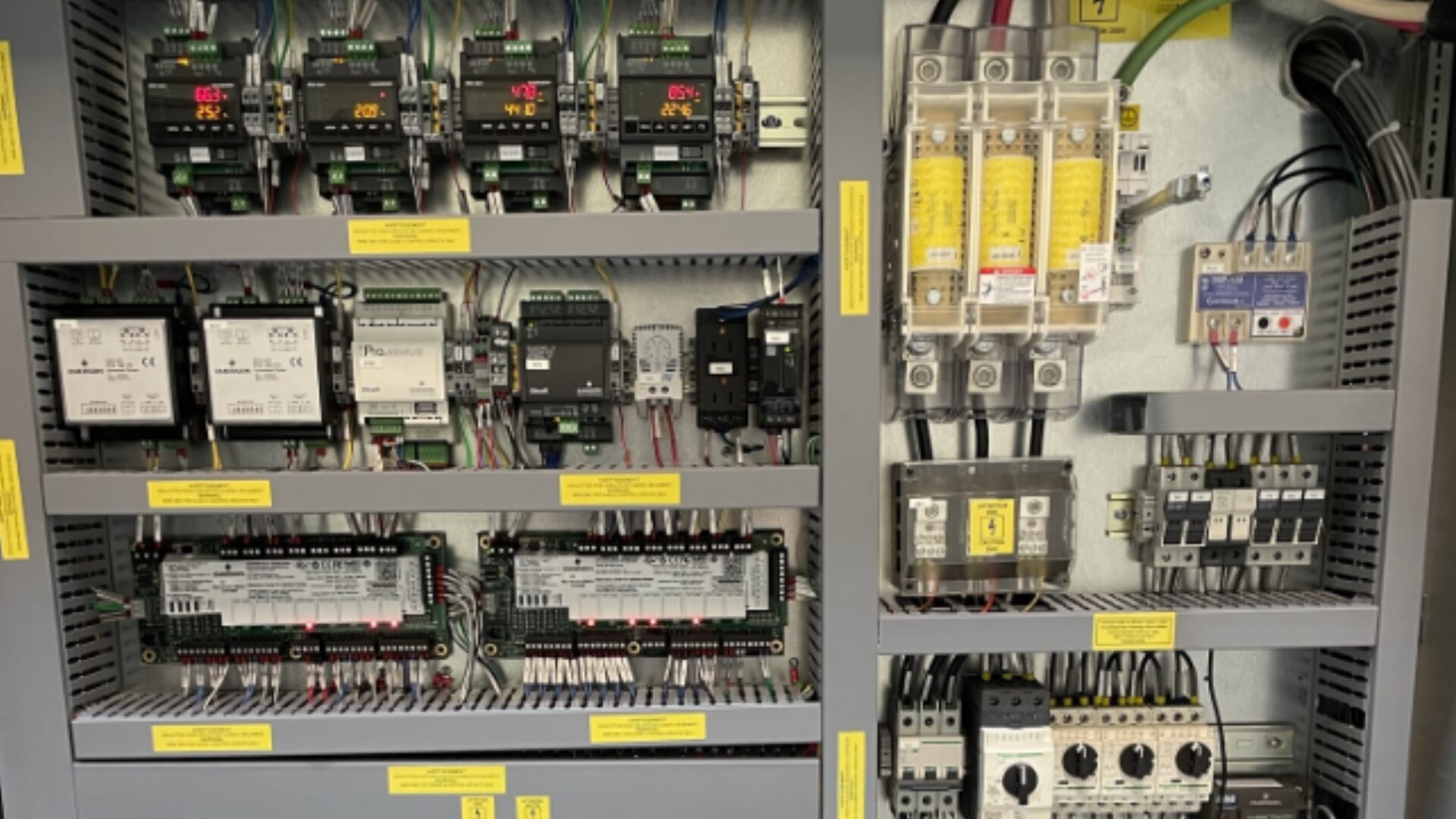
A perfectly good mechanical component may be doing nothing because the controller has a legitimate reason for keeping it off. Command, feedback and alarm history matter.
From “Oil Trip” to Actual Evidence.
Trevor walks through a supermarket rack problem where a compressor has been tripping on oil safety, but by the time the technician arrives everything appears normal.
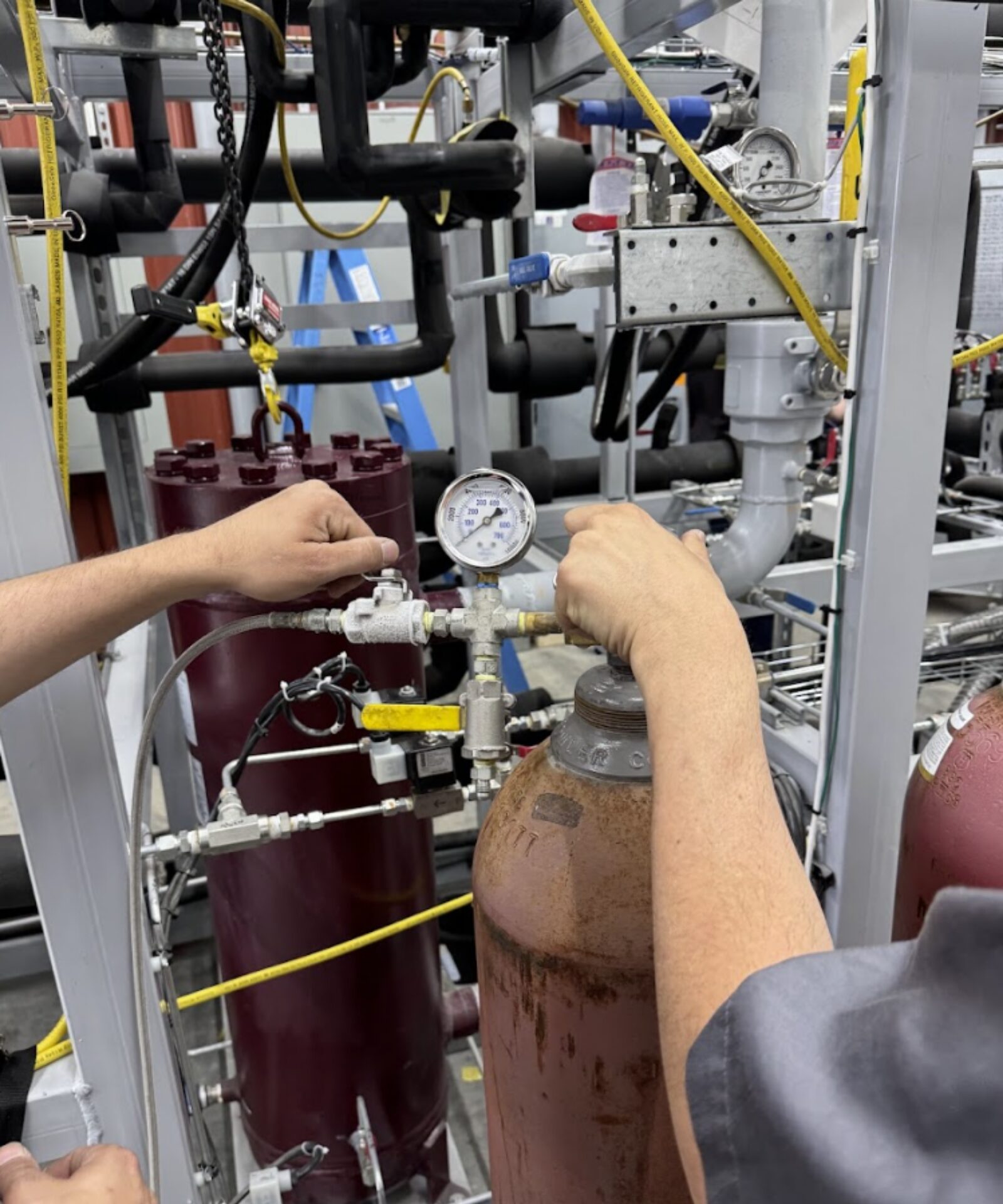
- Understand the system sequence. What should happen when the compressor is called to run?
- Use the wiring diagram in order. Trace what has to be true for the compressor to stay running.
- Compare command, proof and history. What did the controller ask for and what did the system prove back?
- Find where the sequence broke. Follow evidence instead of replacing a part because the alarm name sounds convincing.
“Here is what failed and here is how I proved it.”
There Is No Shortcut to Experience. There Is a Shorter Path to Understanding.
Experience gives you more examples. A diagnostic process gives you something to do when the next problem does not look like any example you have seen before.
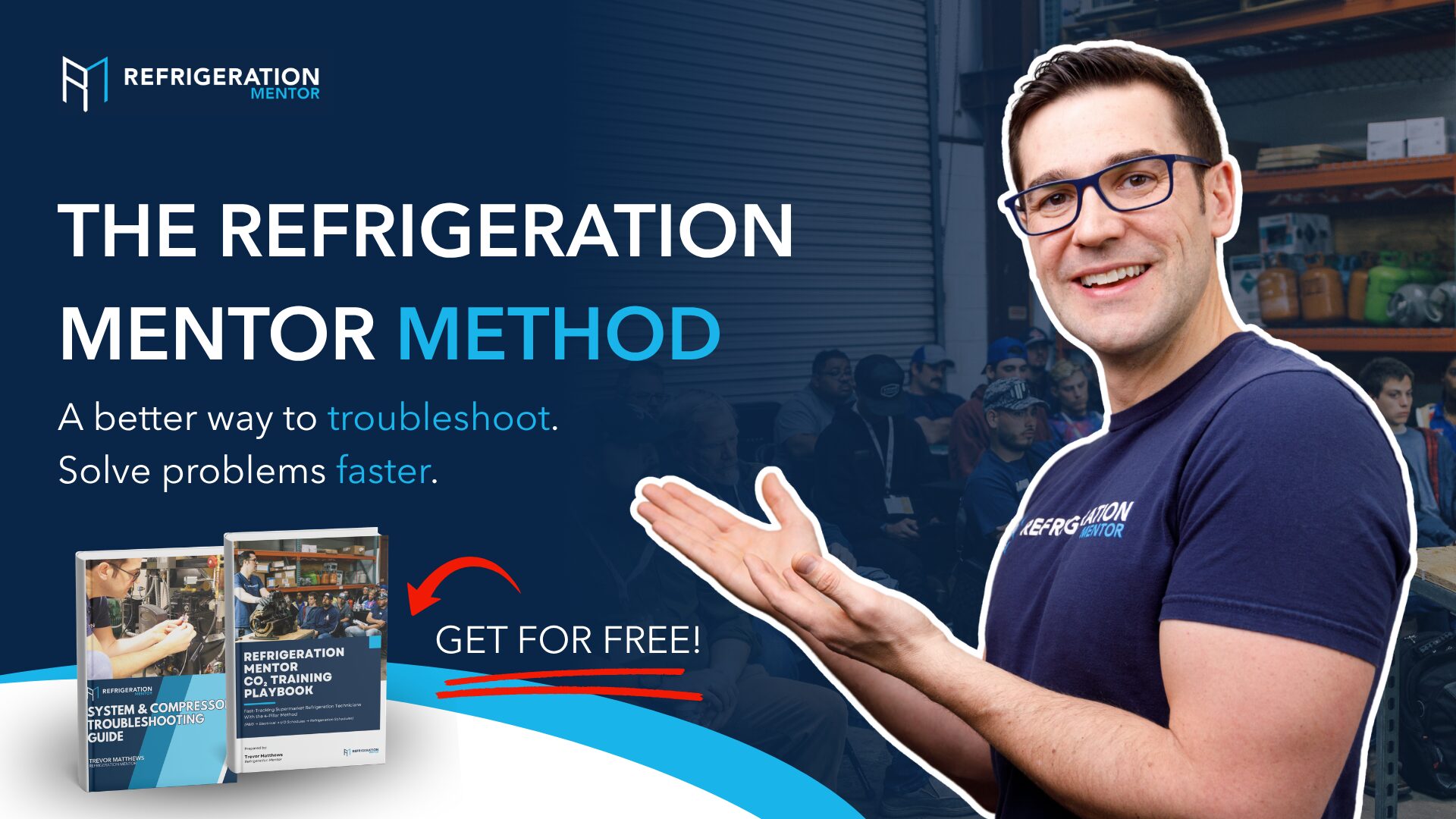
- Service and Compressor Troubleshooting Guide
- CO₂ Training Playbook
Keep them on your phone, tablet or laptop so you can pull them up when something becomes relevant in the field.